
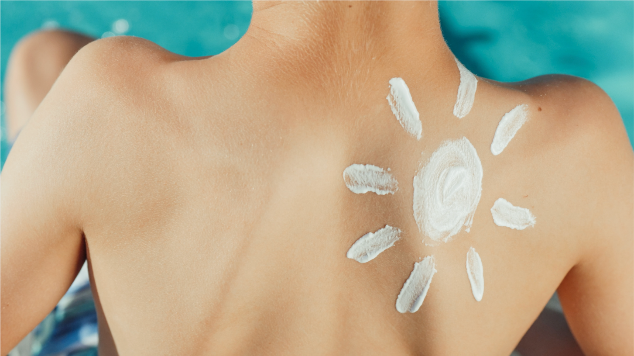
Image Credit: Canva.com
Some of the most important actions you can take for your health don't require a doctor's visit or a complicated plan. Taking care of your skin is one of them. Your skin works around the clock to protect you from the sun, help regulate your temperature, fight off germs, and even support your body's ability to make vitamin D.
What Your Skin Actually Does
Your skin is the largest organ in your body. In adults, it covers about 1.5 to 2 square meters — roughly the size of a small table — and makes up about one-seventh of your total body weight.
On any given day, your skin is doing several important jobs at once. It blocks harmful bacteria, chemicals, and UV rays from entering your body, regulates temperature through sweat and blood flow, and transmits signals of touch, pain, warmth, and cold to your brain.
Sun Protection in Summer
Summer brings more time outdoors — and with it, increased exposure to the sun's ultraviolet (UV) rays. UV rays are invisible, yet they can cause lasting damage to your skin over time. They are the primary cause of sunburn, premature aging, and skin cancer. In fact, skin cancer is the most common cancer in the United States, and most cases are directly linked to UV exposure.
Choose the Right Sunscreen
When selecting a sunscreen, look for three things on the label:
- Broad-spectrum — protects against both UVA and UVB rays
- SPF 30 or higher — blocks approximately 97% of UVB rays
- Water-resistant — especially important during outdoor activities, swimming, or periods of heavy sweating
- Seeking shade between 10 a.m. and 4 p.m., when UV rays are at their strongest
- Wearing a wide-brimmed hat to shield your face, ears, and neck
- Choosing tightly woven, dark-colored clothing for an extended time in the sun
- Wearing UV-blocking sunglasses to protect both your eyes and the skin around them
How to Apply It
Apply sunscreen to dry skin about 15 minutes before going outside, using roughly 1-1.5 oz. to cover your full body. Reapply every two hours, or sooner if you've been swimming or sweating heavily.
More Ways to Protect Your Skin This Summer

Why Moisturizing Matters
Moisturizing is often associated with beauty routines, but it is also a fundamental health habit.
Your skin has a natural protective barrier that retains moisture and keeps irritants out. When that barrier breaks down, due to dry air, harsh soaps, hot showers, or prolonged sun exposure, your skin can become dry, tight, or more easily irritated. Moisturizers help restore and maintain that barrier. 
Know What to Look For
Regularly checking your skin is a simple habit that can have a significant impact on your health.
Look for any spots or moles that are changing in size, shape, or color. When skin cancer is caught early, treatment is far more effective. If you notice anything that seems new or unusual, make an appointment with your healthcare provider.
Small Steps, Real Results
Your skin works hard for you every single day. A little consistent care — sunscreen in the morning, moisturizer after your shower, and shade during the strongest sun hours — adds up significantly over time.
This article is for educational purposes only and is not medical advice. Talk with your healthcare provider before making changes to your skin care routine, especially if you have existing skin conditions or health concerns.